Services

sERVICES

MOBILE WELDING

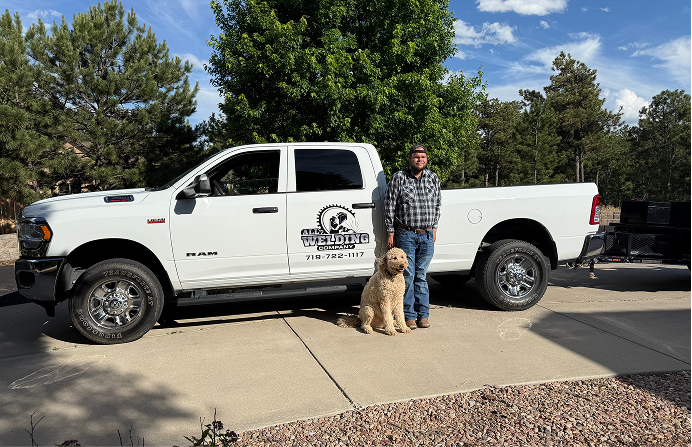
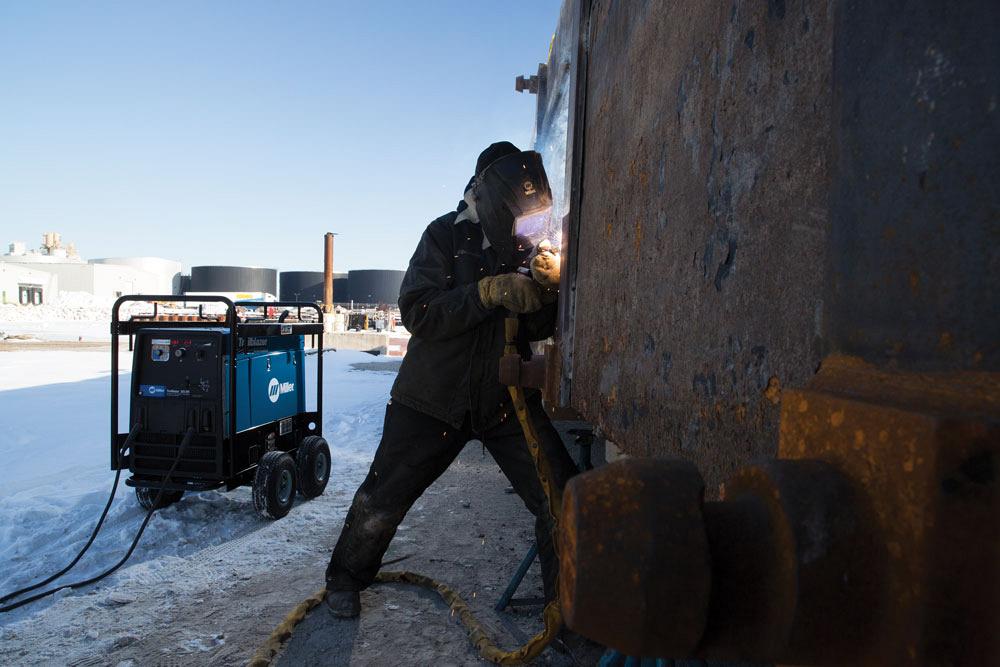
Mobile welding is welding work that is performed at a location other than a permanent shop. I travel to the job site with the necessary equipment, which is housed in my mobile trailer.

Advantages:

  • On-demand and location-flexible.

  • Reduces the need to transport heavy or fixed equipment.

  • Can be critical for time-sensitive repairs.


SERVICES

In-facility welding

In-facility welding is performed within a dedicated workshop where the environment and equipment are controlled and stationary

Advantages:

  • Controlled environment ensures quality and consistency.

  • Safer and more ergonomic conditions.

Greater power availability and tool variety.

Testimonials

Our Process

My Welding Process:

  1. Consultation
  2. Photos & Measurements
  3. Design & Quote
  4. Material Prep & Setup
  5. Welding & Production
  6. Finishing & Inspection
  7. Review & Handover

Types of welding

Types of welding

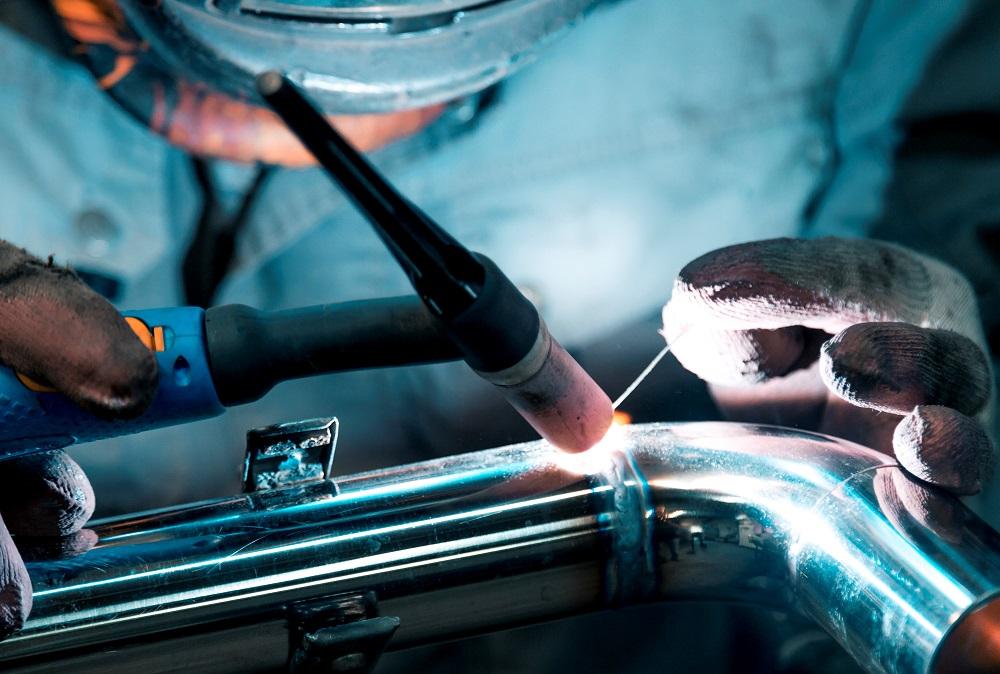
TIG Welding (GTAW – Gas Tungsten Arc Welding)

  • Definition: A welding process that uses a non-consumable tungsten electrode to produce the weld.
  • Shielding Gas: Argon or helium (protects the weld area from contamination).
  • Filler Material: Optional — filler rod added manually if needed.
  • Best For: Thin materials, stainless steel, aluminum, and precise, high-quality welds.
  • Pros: Clean, precise welds with no spatter.
  • Cons: Slower and more skill-intensive than other methods.

Types of welding

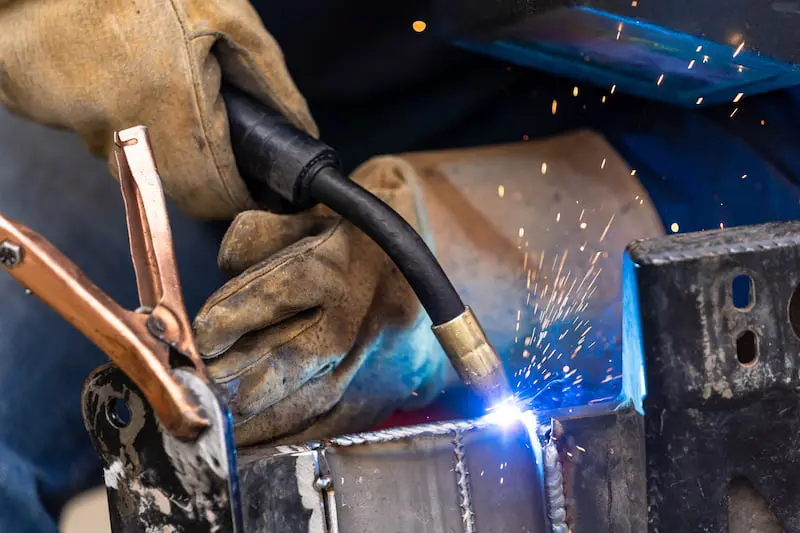
MIG Welding (GMAW – Gas Metal Arc Welding)

  • Definition: A process where a wire electrode is fed continuously through a welding gun and melts to form the weld.
  • Shielding Gas: Typically a mix of argon and CO₂.
  • Filler Material: Built-in — the wire itself is the filler.
  • Best For: Mild steel, aluminum, stainless steel; great for production work.
  • Pros: Fast, easy to learn, good for beginners.
  • Cons: Not ideal for outdoor use (wind can disrupt shielding gas).

Types of welding

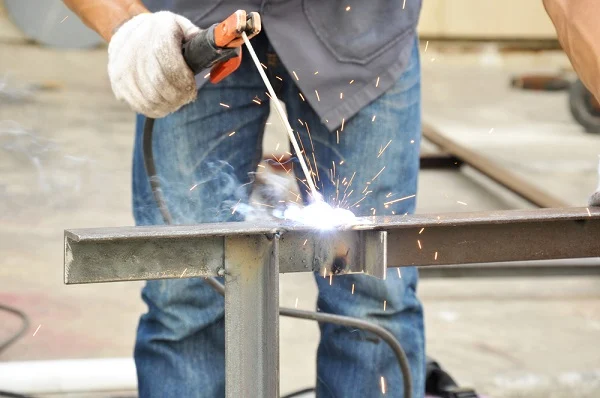
Stick Welding (SMAW – Shielded Metal Arc Welding)

  • Definition: A manual process using a consumable electrode coated in flux that melts to create both the weld and its own shielding gas.
  • Shielding: Provided by the flux coating (no external gas needed).
  • Filler Material: The electrode itself.
  • Best For: Heavy-duty work, outdoor environments, dirty/rusty materials.
  • Pros: Works in all conditions, simple equipment.
  • Cons: More spatter, slag cleanup required, less precision.

Types of metals

Types of metals

1. Steel

  • Most common welding metal
  • Easy to weldwith MIG, TIG, or Stick
  • Comes in low, medium, and high carbon varieties
  • Used for construction, automotive, heavy equipment

 2. Stainless Steel

  • Corrosion-resistant, durable, and strong
  • Requires TIG or MIGfor clean welds
  • Used in food service, medical, marine, and architectural applications
  • Heat control is important to avoid warping/discoloration

 3. Aluminum

  • Lightweight and corrosion-resistant
  • Requires TIG or MIG with AC current
  • Sensitive to contamination and heat distortion
  • Used in aerospace, automotive, boats, and fabrication

 4. Cast Iron

  • Brittle and high carbon content
  • Difficult to weld— preheating and special techniques required
  • Often repaired using nickel rods with Stick welding
  • Common in engine blocks, old machinery

 5. Copper and Brass

  • High thermal conductivity = pulls heat away from weld
  • Requires TIG welding, clean base metal, and careful heat control
  • Used in plumbing, decorative work, and electrical components

️ 6. Titanium

  • Strong, lightweight, corrosion-resistant
  • Requires ultra-clean environment and TIG welding
  • Used in aerospace, medical implants, high-performance parts

 7. Nickel Alloys

  • High-temperature and corrosion resistance
  • Weldable with TIG, MIG, or Stick, but technique-sensitive
  • Found in chemical plants, turbines, power generation